Navigating the Process of Approval of Endorsements on Driving Licence (DL) in India
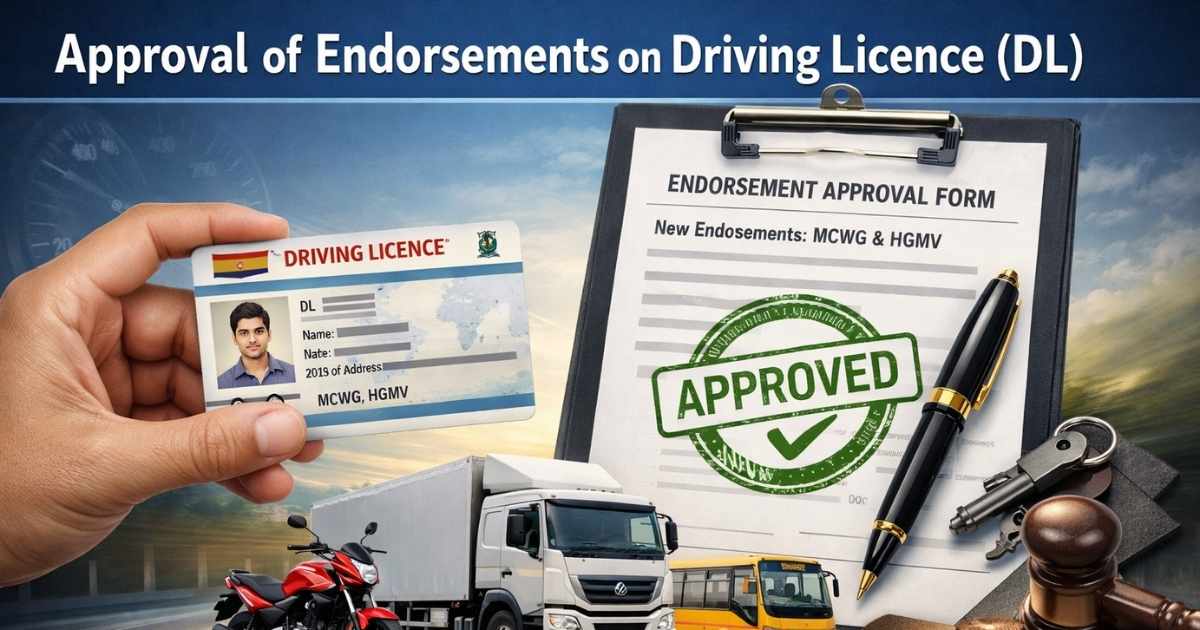
Driving in India isn’t just about skill. It’s about legal compliance. If you’ve ever wondered how to add a new vehicle class or update your licence, you’re not alone. Many drivers struggle with the approval of endorsements on driving licence (DL) and how it actually works.
In simple terms, endorsements act like official permissions on your licence. Whether you want to drive a car instead of just a bike or update your address, you need proper approval. This guide breaks everything down in a clear and practical way so you can avoid mistakes and stay compliant.
Related Post: Designations in Delhi Police: A Comprehensive Guide to Ranks, Roles, and Responsibilities
What Does “Endorsement on DL” Mean?
An endorsement on a driving licence is an official entry made by the licensing authority. Think of it as a “stamp of approval” that allows you to do something new with your licence. For example, if you want to add a car to your existing two-wheeler licence, you must go through the DL endorsement process India follows.
In everyday terms, it answers the question: what is endorsement in driving licence? It means updating your licence to reflect new permissions or legal records. This includes adding a vehicle class or recording a traffic conviction. Without this update, your licence remains limited to its original scope.
Legal Framework Governing Endorsements
The process isn’t random. It follows strict legal rules under the Motor Vehicles Act, 1988 and the Central Motor Vehicles Rules. Two key provisions guide everything. The CMVR Rule 17 endorsement allows you to add a new vehicle class. Meanwhile, the CMVR Rule 22 conviction endorsement deals with court-related entries.
If you’ve ever asked, what is Rule 17 and Rule 22 CMVR? — this is your answer. These rules ensure that every licence update is verified and lawful. Authorities check your eligibility before approving anything, which keeps the system transparent and reliable.
Why the Approval of Endorsements Is Important
Skipping endorsement approval might seem harmless. It isn’t. Driving a vehicle without proper authorisation can land you in serious trouble. In fact, many drivers only realize this after facing penalties or insurance issues.
For example, can insurance reject claim without DL endorsement? Yes, it can. If your licence doesn’t match the vehicle you’re driving, insurers may deny claims. Also, proper endorsements improve job prospects, especially in transport roles. In short, approval protects your legal standing and your wallet.
Process for Addition of Vehicle Class Endorsement
Eligibility
Before applying, you must meet a few basic conditions. You should already hold a valid driving licence. In most cases, you also need a learner licence for additional class.
Many people ask, is learner licence required for endorsement? The answer is usually yes. It ensures you’ve been trained for the new vehicle category. Also, you must not be disqualified from holding a licence.
Documents Required
Getting your documents right saves time. Missing paperwork is one of the top reasons for rejection.
Here’s what you typically need:
- Existing driving licence
- Learner licence for the new class
- Proof of age and address
- Medical certificate (Form 1A when applicable)
- Passport-size photos
- Fee payment receipt
These are the core documents needed for DL endorsement India requires. Always double-check before submission.
Application Procedure
The process has become easier with digital services. Thanks to Parivahan endorsement services, you can apply online without long queues.
Steps to follow:
- Visit the Parivahan portal
- Choose “Apply for Additional Endorsement of Driving Licence”
- Fill in your details
- Upload required documents
- Pay fees online
- Visit RTO if verification is needed
This is the standard RTO endorsement approval procedure followed across India. If you’re wondering how to apply for DL endorsement online, this is your roadmap.
Timelines
Once you apply, patience matters. The system needs time for verification and approval.
So, how long does DL endorsement take? Typically, it takes 7 to 15 working days. However, delays may occur depending on workload. The endorsement approval timeline RTO follows varies slightly by state.
Endorsements for Convictions – When Courts Get Involved
Legal Provisions
Certain traffic offences trigger mandatory endorsements. Under CMVR Rule 22 conviction endorsement, courts can order entries on your licence.
This applies to offences like reckless driving or driving under the influence. These records become part of your official driving history.
Procedure
When a court issues a conviction, it informs the licensing authority. The authority then updates your licence accordingly.
This process happens automatically in many cases due to digital integration. You don’t need to apply manually. However, you should still track updates to avoid surprises.
Implications
Conviction endorsements carry weight. They can affect renewals, job opportunities, and even your reputation.
If you’re wondering how court conviction affects driving licence, the answer is simple. Multiple entries can lead to suspension or disqualification. It’s like a report card for your driving behavior.
Endorsements in Case of Change of Address or Transfer Between States
Relocating to another state? Your licence must reflect it. This requires an address change endorsement DL approval.
For example, if you move cities, you must update your records. Many drivers ask how to update address in driving licence India. The process involves applying through the new RTO and verifying old records.
Similarly, inter-state driving licence endorsement ensures your licence remains valid across India. Without it, you may face issues during verification.
Common Mistakes and Practical Tips
Mistakes can delay or even reject your application. Here’s a quick guide to avoid them:
| Common Mistake | Practical Tip |
| Expired learner licence | Renew it before applying |
| Incorrect vehicle category | Double-check before submission |
| Missing medical certificate | Get it from a certified doctor |
| Ignoring status check | Use online tracking regularly |
| Assuming automatic approval | Always confirm final status |
Many ask, can endorsement be rejected by RTO? Yes, it can. But most rejections are preventable with careful preparation.
Legal Implications of Unapproved Endorsements
Driving without proper endorsement is risky. It’s not just a minor mistake.
So, can I drive without endorsement on licence? No, you shouldn’t. It’s illegal. You may face fines under the Motor Vehicles Act.
Also, what happens if endorsement is not approved? You lose legal authority to drive that vehicle class. In serious cases, it can lead to licence suspension or insurance denial.
Inter-State Recognition and Verification
India has improved its digital infrastructure. Now, licence records are interconnected nationwide.
You can easily perform an endorsement status check Parivahan online. This helps answer questions like how to check driving licence endorsement status quickly.
Digital tools ensure that once approved, your endorsements are recognized everywhere. It makes travel and relocation smoother.
Role of Legal Practitioners in Endorsement Issues
Sometimes, things go wrong. You may face incorrect entries or unfair rejections.
That’s where legal professionals step in. They handle disputes, file representations, and guide you through corrections. In complex cases, they may even approach courts.
If your livelihood depends on driving, professional help can make a big difference.
Conclusion
Understanding the endorsement process isn’t optional. It’s essential. Whether you want to add a new vehicle class or update your address, proper approval keeps you on the right side of the law.
Navigating the Process of Approval of Endorsements on Driving Licence (DL) in India may seem complex at first. However, once you know the steps, it becomes straightforward. Stay informed, follow the rules, and always verify your licence updates. That way, you drive not just confidently, but legally too.

Arjun Sethi is a legal researcher and columnist specializing in constitutional and comparative law. A graduate of NALSAR University, he has published in leading law journals and advised policy think tanks. His work bridges theory and practice, offering readers precise, well-researched insights grounded in academic rigor and ethical clarity.